
Drawing is one of the most commonly recognized forms of visual art. Drawings are created by an artist using instruments to create lines on paper or another two-dimensional surface.
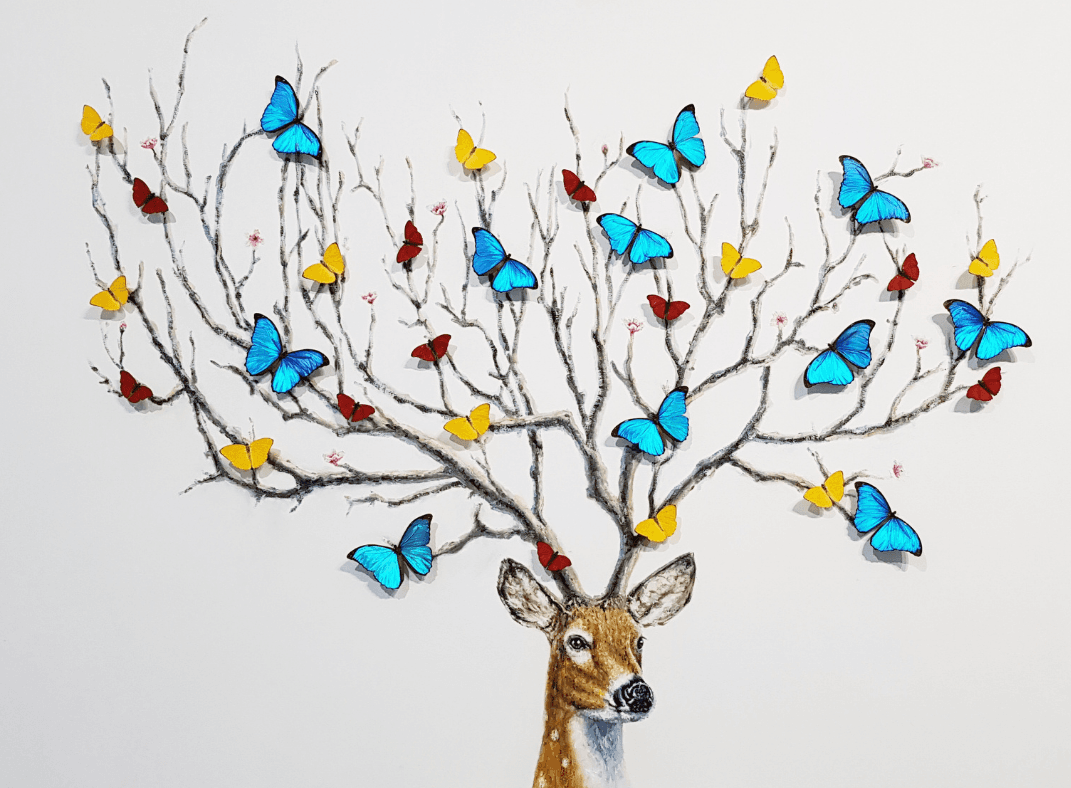
What Is Drawing?
Updated: March 25 2026
Key Takeaways: Understanding Drawing as a Visual Art
-
Drawing is one of the most fundamental forms of artistic expression, defined by the use of lines, marks, and shapes on a surface.
-
Unlike painting, drawing focuses primarily on line, contour, and structure, though it can still create depth, shading, texture, and even color.
-
Drawing serves both artistic and practical purposes, from visualizing ideas and planning larger works to recording observations and communicating designs.
-
A wide range of techniques shapes the practice of drawing, including tonal, linear, contour, negative space, and freestyle approaches.
-
Drawing remains an essential medium across both classical and contemporary art, influencing fields such as illustration, design, fashion, architecture, and digital media.
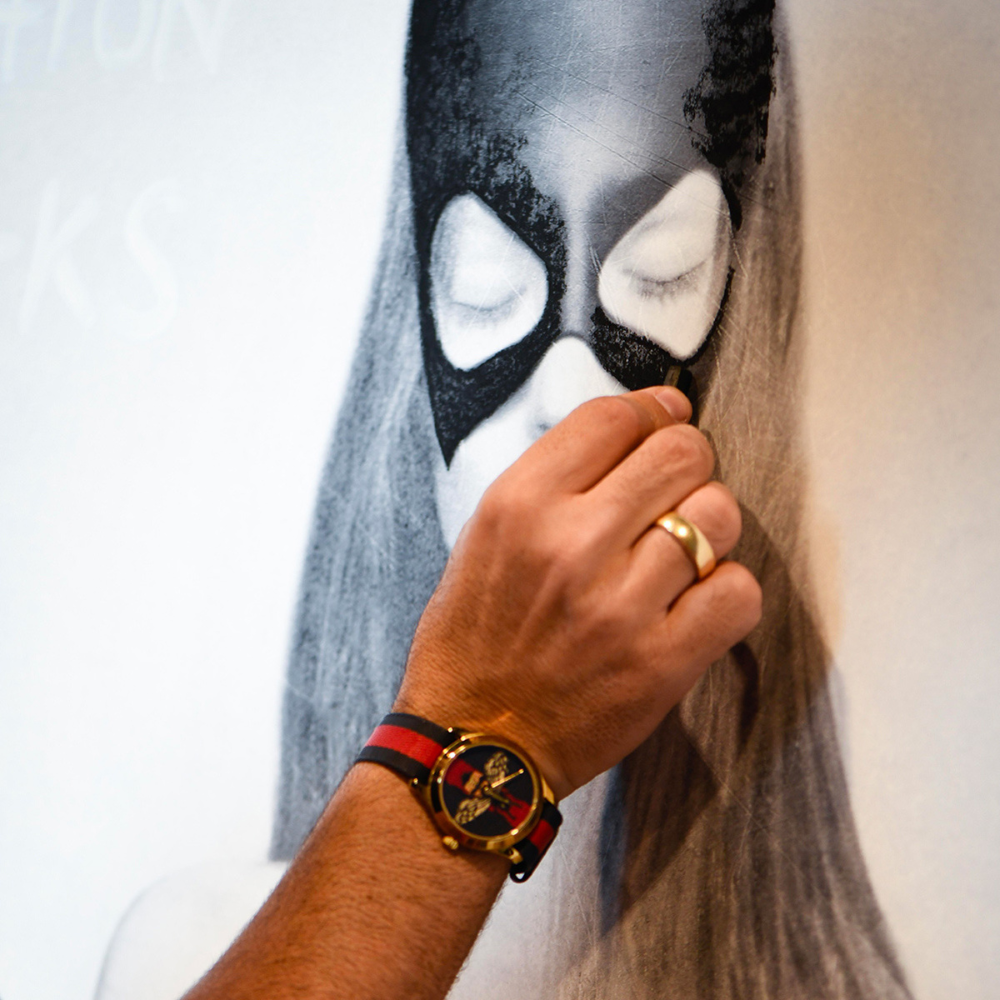
The term drawing is a broad description that applies to many types of visual works, which vary significantly in technique. The perception and drawing meaning have evolved over time, making it a concept that can be challenging to define.
Common drawing instruments include pencils, chalk, charcoal, pen and ink, colored pencils, crayons, pastels, inked brushes, erasers, markers, styluses, and even metals.
So, what is drawing in art?
In modern terms, drawing is the creation of lines, marks, or shapes on a surface using a tool or instrument. It is one of the most fundamental forms of artistic expression.
Drawing Definition
Drawing (or sketching) is one of the foundational practices in visual art. Whether artists are painters, sculptors, or digital creators, most begin by learning how to draw.
Understanding what is drawing helps clarify its importance: it is not just a preliminary step, it is a fully recognized art form in its own right, capable of expressing complex ideas, emotions, and concepts.
How Is Drawing Different From Painting?
Many people ask, what is drawing compared to painting?
The key difference lies in technique:
-
Drawing focuses on lines, contours, and structure
-
Painting emphasizes color, texture, and brushstrokes
In drawing, the arrangement of lines defines form. In painting, form is created through color, tone, and layered textures.
However, drawing can still include depth, shading, and even color through techniques like cross-hatching, tonal shading, and the use of colored materials.
That doesn’t mean that drawings can’t still have a sense of depth or even use color like a painting can. Depth, perspective, and even texture can be achieved in a drawing through shading techniques or colored inks and materials.
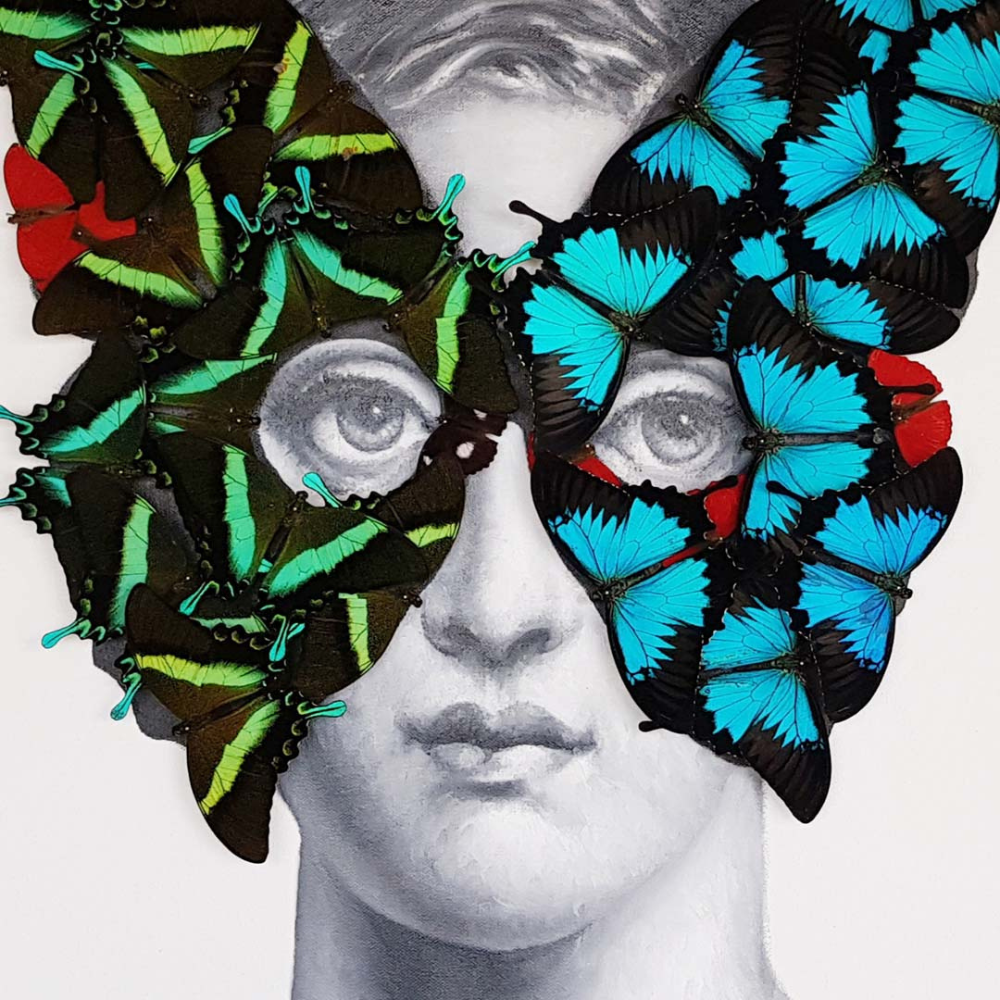
Why Draw?
Understanding what is drawing in art also means understanding its purpose.
Drawing is often taught as a creative foundation, but it is far more than a beginner’s skill. It serves both artistic and practical functions.
Artists draw for many reasons:
To visualize ideas or concepts
To plan and develop larger artworks
To communicate instructions or designs
To record observations or details from life
Drawing is both a creative outlet and a powerful tool for thinking and problem-solving.
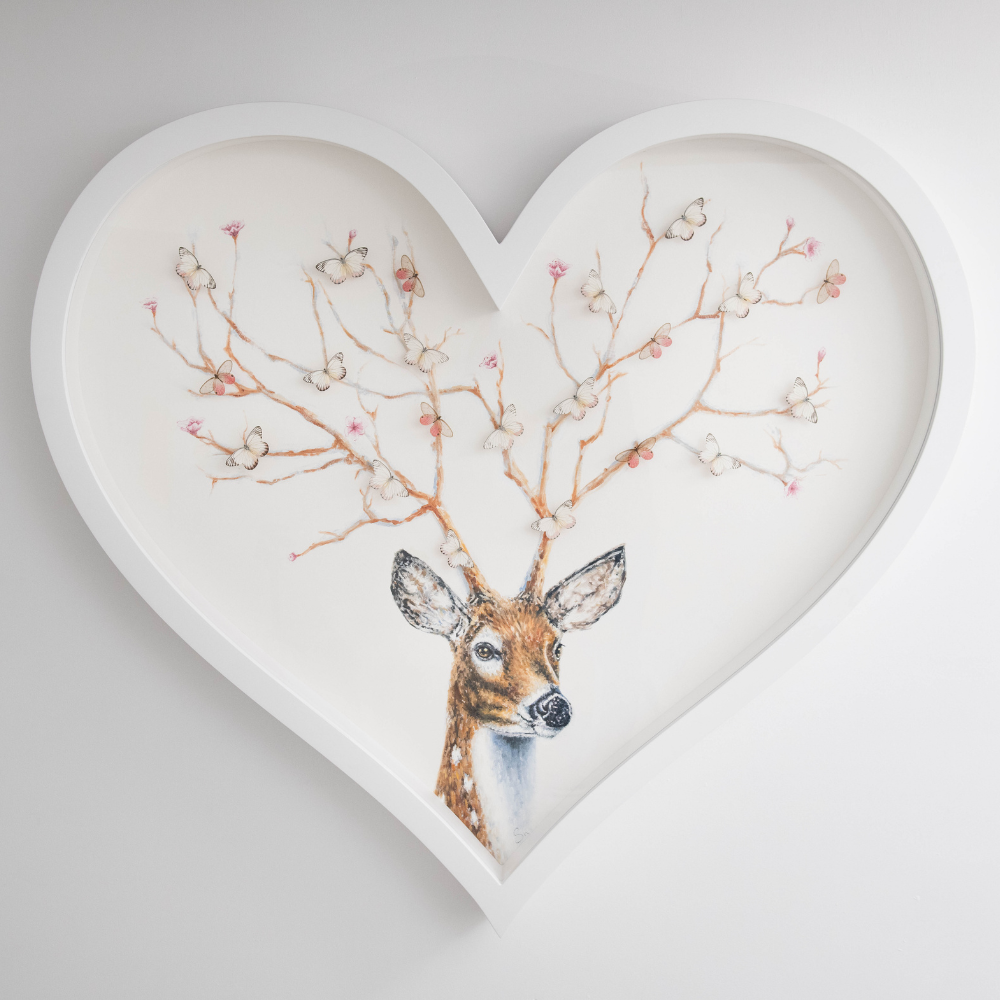
Drawing Techniques
There are many techniques that shape how artists approach drawing. These methods influence style, precision, and expression.
Here Are Ten of the Standard Drawing Techniques:
1. Maquette (Shape-Based Drawing)
2. Keyline or Armature Drawing
3. Engineering Drawing
4. Linear Drawing
5. Negative Space Drawing
6. Scribble & Blind Contour Drawing
7. Tonal Drawing
8. Subtractive Drawing
9. Drawing Planes
10. Freestyle Drawing
Famous Drawings
Many of the drawings created by the “Old Masters” are considered to be among the world’s most significant artworks.
The Vitruvian Man by Leonardo da Vinci is perhaps the most recognized drawing in the world, and one of the most well-known pieces of artwork across all styles.
Older drawings, like those of Leonardo da Vinci and other masters, are often classified as “fine art” and held in high regard. More contemporary drawings are often perceived as being more commercial and strongly associated with graphic art, animation, pop culture, or architecture.
While both older and contemporary drawings have value, the more famous drawings tend to be several centuries old. Here are some of the most famous and recognizable drawings in the world.
10 Most Famous Drawings
Throughout history, drawings have played a crucial role in artistic development. Many works by the Old Masters are still considered some of the most important artworks ever created.
When discussing what is drawing in art, it’s impossible not to mention iconic works like the Vitruvian Man by Leonardo da Vinci—one of the most recognized drawings in the world.
While contemporary drawing is often linked to design, illustration, and pop culture, classical drawings continue to hold immense cultural and artistic value.
10 Most Famous Drawings
1. Head of a Young Apostle – Raphael
2. Head of a Young Man – Michelangelo
3. Knight, Death, and Devil – Albrecht Dürer
4. Woman Carrying a Child Down Stairs – Rembrandt
5. Study for Mucius Scaevola Before Porsenna – Charles Le Brun
6. Wild Vegetation – Vincent van Gogh
7. Study of a Dancer in Tights – Edgar Degas
8. Pollard Birches – Vincent van Gogh
9. Vitruvian Man – Leonardo da Vinci
10. Lion – Peter Paul Rubens
The Value of Drawings
Drawing remains essential across many artistic disciplines. Beyond being a preparatory step, it is a powerful standalone medium.
Understanding the drawing meaning today also includes recognizing its influence on modern fields such as:
Graphic design
Comic and illustration art
Fashion design
Architecture
Digital media
Drawing continues to bridge traditional techniques with contemporary creativity.
What is drawing in art?
Drawing in art is the process of creating images using lines, marks, or shapes on a surface, typically with tools like pencils, ink, or charcoal.
What is the meaning of drawing?
The meaning of drawing refers to both the act of creating marks on a surface and the artistic expression that results from it.
Is drawing different from sketching?
Sketching is a type of drawing, usually quick and less detailed, while drawing can range from rough sketches to highly finished artworks.
Why is drawing important in art?
Drawing is important because it builds foundational skills like observation, composition, and proportion, and it is also a complete art form on its own.
What are the basic drawing techniques?
Basic drawing techniques include line drawing, shading, tonal drawing, contour drawing, and negative space drawing.
RELATED ARTICLES

EDEN
Updated: March 31, 2026Alchemy of the Ordinary: Transforming Everyday Objects into Masterpieces
Art has a remarkable ability to elevate the mundane, turning everyday objects into extraordinary expressions of creativity. Throughout history, artists have reimagined the ordinary, using it to challenge perceptions, inspire wonder, and reshape our ...

EDEN
Updated: April 23, 2026Alec Monopoly's Exhibitions
EDEN, The House of Art, presents a series of exclusive Art Nights with Alec Monopoly in Miami and New York. Showcasing his latest works, including the bold Flying to a Happy Place series, these immersive evenings bring together art, music, and atmosphere ...

EDEN
Updated: January 07, 2026Inside the Minds of EDEN Art Collectors
The Collectors Behind the Canvas offers an intimate look into the lives of EDEN collectors around the world. From Abu Dhabi to Dubai, discover how Dan and Nadia Feldman and Yann and Lana Biojau live surrounded by color, creativity, and meaning—revealing ...
Show more
Join Our
NEWSLETTER
Stay updated with the latest from the EDEN House of Art—be the first to discover new events, collections, and more!